Pain can be one of the most debilitating experiences in life, whether it’s due to an injury, chronic
condition, or just the stresses of everyday living. It can affect our ability to perform daily
activities, impact our quality of life, and, if left unmanaged, take a toll on both our physical and
mental well-being. However, the good news is that pain relief is more accessible than ever
before, thanks to a wide variety of solutions designed to meet your specific needs.
At Plunky Productz, we understand how important it is to find effective ways to manage pain,
which is why we offer a curated selection of products aimed at providing you with relief. Whether
you’re dealing with minor aches, sports-related injuries, or chronic pain, there are options
available to help. In this blog, we’ll explore the different types of pain relief methods, their
benefits, and how to choose the right one for your unique situation.
Understanding Pain and Its Impact
Before diving into pain relief solutions, it’s essential to understand the different types of pain and
how they impact our lives. Pain is typically categorized into two main types: acute and chronic.
1. Acute Pain: This type of pain is typically short-term and occurs suddenly, often as a
result of injury or surgery. Acute pain serves as a warning sign to the body, signaling that
something is wrong. Once the underlying issue is treated or heals, the pain usually
subsides.
2. Chronic Pain: Chronic pain, on the other hand, persists for longer periods, often lasting
more than three months. This type of pain can be caused by ongoing conditions such as
arthritis, fibromyalgia, or nerve damage. Chronic pain can be especially challenging as it
may not always have a clear cause and may require ongoing management to improve
quality of life.
No matter what type of pain you’re experiencing, it’s important to find a solution that works for
you. Pain relief can help restore comfort, enhance mobility, and improve overall wellness.
The Benefits of Pain Relief
Pain relief isn’t just about reducing discomfort—it has numerous physical and mental benefits.
Here’s how effective pain management can improve your life:
1. Improved Mobility and Flexibility
Pain, especially chronic pain, can severely limit your range of motion and flexibility. Whether it’s
back pain, joint discomfort, or muscle tension, being unable to move freely can impact your
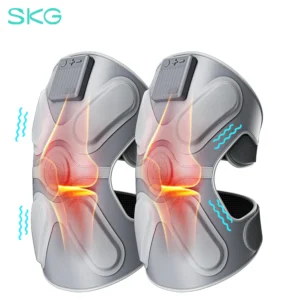
ability to perform daily tasks or engage in physical activities. Pain relief methods, such as
targeted therapies or tools like heat pads, can help reduce stiffness, increase mobility, and
restore your freedom to move.
2. Increased Energy
When you’re in pain, it’s easy to feel drained and fatigued. Chronic pain, in particular, can make
you feel tired, stressed, and unmotivated. Managing pain effectively can restore your energy
levels, making it easier to enjoy life and tackle tasks without the constant drain that pain can
cause.
3. Enhanced Mental Health
Living with pain often leads to frustration, anxiety, and even depression. Persistent pain can
cause a cycle of negative emotions, which can worsen the pain and impact your mental
well-being. By finding effective pain relief, you can break that cycle, reduce stress, and improve
your mental health, giving you a greater sense of balance and emotional well-being.
4. Improved Sleep
Pain, especially at night, can make it difficult to get the restorative sleep you need. Whether it’s
joint pain, muscle cramps, or headaches, discomfort can keep you awake and disrupt your
sleep cycle. Pain relief methods such as targeted topical creams, heat therapy, or sleep aids
can help reduce discomfort, enabling you to sleep better and wake up feeling refreshed.
5. Better Quality of Life
Ultimately, pain relief improves your quality of life. Whether you’re recovering from an injury,
managing a chronic condition, or simply experiencing occasional discomfort, finding a solution
that works for you can help you feel like yourself again. It enables you to engage more fully in
life, pursue your passions, and interact with the world around you without being held back by
pain.
Different Types of Pain Relief Methods
Now that we’ve covered the benefits, let’s take a closer look at the different kinds of pain relief
options available. There is no one-size-fits-all solution, so it’s essential to explore various
methods to determine what works best for your needs.
1. Topical Pain Relief
Topical pain relief products, such as creams, gels, and ointments, are designed to be applied
directly to the skin. These products often contain active ingredients like menthol, capsaicin, or
CBD, which can help reduce inflammation, improve blood circulation, and soothe sore muscles
and joints. Topical pain relief is a great option for targeted, localized pain and is easy to apply
without the need for oral medication.
2. Heat and Cold Therapy
Heat and cold therapy are two of the most commonly used methods for managing pain.
Applying heat can help relax muscles, increase blood flow, and reduce stiffness, while cold
therapy can numb the area, reduce inflammation, and minimize swelling. Both forms of therapy
are effective for different types of pain. Heat is often used for chronic pain or muscle tension,
while cold therapy is best for acute injuries or inflammation.
3. Physical Therapy and Exercise
For certain types of pain, especially chronic pain or pain caused by musculoskeletal issues,
physical therapy and exercise can be highly effective. A physical therapist can guide you
through specific movements and stretches that help improve flexibility, strengthen muscles, and
reduce pain. Regular exercise, including stretching and strengthening exercises, can also help
keep your body in good shape and prevent future injuries.
4. Massage Therapy
Massage therapy is another popular method for relieving pain, particularly for muscle tension,
soreness, and stress-related pain. Through techniques like Swedish massage, deep tissue
massage, and trigger point therapy, massage helps improve circulation, release muscle knots,
and reduce overall discomfort. It’s a great option for both acute and chronic pain relief and can
help promote relaxation.
5. Medication
In some cases, over-the-counter or prescription medications may be necessary to manage pain.
Nonsteroidal anti-inflammatory drugs (NSAIDs), acetaminophen, or opioid medications can help
alleviate pain, especially in cases of injury or inflammation. However, it’s important to use
medications cautiously and under the guidance of a healthcare provider to avoid potential side
effects or dependency.
6. Mind-Body Techniques
Mind-body techniques such as meditation, mindfulness, yoga, and breathing exercises can help
reduce the perception of pain and improve your ability to manage it. These practices focus on
relaxation, reducing stress, and training your mind to cope with discomfort. In many cases,
these techniques can complement other forms of pain relief and provide long-term benefits for
managing chronic pain.
7. Alternative Therapies
Alternative therapies like acupuncture, acupressure, and chiropractic care are gaining popularity
for pain relief, particularly for chronic conditions like back pain, headaches, and joint pain. These
therapies focus on stimulating specific points or adjusting the body to promote healing, reduce
inflammation, and improve mobility. If traditional methods haven’t worked for you, exploring
alternative therapies may be a helpful option.
How to Find the Right Pain Relief for You
With so many pain relief options available, it can be overwhelming to know where to start. Here
are a few tips to help you find the right solution for your pain:
1. Identify the Source of Your Pain: Understanding the cause of your pain is key to
choosing the right relief method. For example, muscle tension may respond well to heat
therapy or massage, while inflammation may require cold therapy or anti-inflammatory
medication.
2. Consider Your Lifestyle: If you’re always on the go, a portable solution like topical pain
relief or a wearable heating pad may be most convenient. If you have more time to
dedicate to pain management, therapies like physical therapy, massage, or acupuncture
may be worth exploring.
3. Consult with a Healthcare Provider: If your pain is chronic or severe, it’s important to
consult with a healthcare provider to determine the best course of action. They can help
guide you toward the right treatment and ensure that you’re not overlooking an
underlying condition.
4. Experiment with Different Methods: Don’t be afraid to try different pain relief options to
see what works best for you. Many people find that a combination of methods, such as
using topical creams with heat therapy or combining meditation with physical therapy,
provides the most effective relief.
Conclusion
Pain is an inevitable part of life, but it doesn’t have to take over your day. With a wide variety of
pain relief methods available, from topical creams to physical therapy and alternative
treatments, there’s a solution for every type of pain. By understanding the benefits and choosing
the right methods for your needs, you can take control of your pain and improve your quality of
life.
At Plunky Productz, we’re committed to helping you find the best pain relief products to suit your
lifestyle. Our curated selection of high-quality pain relief solutions is designed to provide you
with the comfort and support you deserve. If you need help finding the right product for your
needs, don’t hesitate to reach out. We’re here to help!
Contact Us
Have questions, comments, or need assistance finding the perfect pain relief solution? Visit us
at plunkyproductz.com, and feel free to contact us. We love helping you find the best products to
improve your wellness and well-being!