Author: plunkyproductz

  • The Benefits of Morning Sunlight

    The Benefits of Morning Sunlight: A Natural Way to Start Your Day

    There’s something refreshing about stepping outside in the early morning. The cool air, the quiet surroundings, and the warm glow of the rising sun can instantly make you feel more awake and ready to face the day. Beyond its beauty, morning sunlight offers several health and wellness benefits that can support your physical and mental well-being.

    Making time to enjoy a few minutes of morning sunshine is one of the simplest habits you can add to your daily routine.

    Why Morning Sunlight Matters

    Your body has an internal clock, known as the circadian rhythm, that helps regulate when you feel awake and when you feel sleepy. Exposure to natural light in the morning helps signal to your brain that it’s time to start the day.

    A healthy circadian rhythm supports better sleep, improved energy, and overall wellness.

    1. Supports Healthy Sleep Patterns

    One of the greatest benefits of morning sunlight is its role in promoting healthy sleep.

    Getting natural light early in the day helps your body maintain a regular sleep-wake cycle. Many people find that consistent morning light exposure makes it easier to fall asleep at night and wake up feeling refreshed.

    For best results, try spending 10–30 minutes outdoors shortly after waking, depending on the season, weather, and your skin type.

    2. Boosts Mood

    Morning sunshine can help you start the day with a more positive outlook.

    Spending time outside in natural light, especially in a peaceful setting like a park or your backyard, can help you feel more relaxed and energized. Combining sunlight with a short walk or quiet reflection can make your mornings even more enjoyable.

    3. Increases Energy Naturally

    Instead of reaching for another cup of coffee, consider stepping outside for a few minutes.

    Natural daylight helps promote alertness and can reduce feelings of grogginess after waking. Even a brief morning walk can leave you feeling more focused and ready to tackle your daily tasks.

    4. Encourages Physical Activity

    Morning sunlight provides the perfect opportunity to move your body.

    You don’t need an intense workout. Simple activities such as:

    • Walking around your neighborhood
    • Gentle stretching
    • Yoga on the patio
    • Gardening
    • Walking your dog

    can all contribute to a healthier lifestyle while allowing you to enjoy the outdoors.

    5. Supports Vitamin D Production

    Sunlight helps your skin produce vitamin D, an important nutrient that supports bone health, muscle function, and the immune system.

    The amount of sunlight needed varies depending on factors such as location, season, time of day, skin tone, and sunscreen use. Some people may still need dietary sources or supplements, so it’s a good idea to talk with your healthcare provider if you have questions about your vitamin D levels.

    6. Creates a Calmer Start to the Day

    Beginning your morning outside can help you slow down before the busyness of the day begins.

    Take a few deep breaths, listen to the birds, enjoy the fresh air, and appreciate the beauty around you. These simple moments can help create a sense of peace that carries throughout your day.

    Easy Ways to Enjoy Morning Sunlight

    Adding more morning sunshine to your routine doesn’t have to be complicated.

    Try these simple ideas:

    • Drink your morning coffee or tea outside.
    • Take a 15-minute walk before work.
    • Stretch on your porch or patio.
    • Eat breakfast outdoors when the weather allows.
    • Water your garden or plants.
    • Read a few pages of your favorite book in the sunshine.

    Even a few minutes outdoors can become a refreshing daily habit.

    Sun Safety Matters

    While morning sunlight is generally less intense than midday sun, it’s still important to protect your skin.

    Remember to:

    • Avoid prolonged sun exposure.
    • Wear sunscreen when appropriate.
    • Stay hydrated.
    • Wear sunglasses to protect your eyes.
    • Seek shade if you’ll be outdoors for an extended period.

    Healthy sun habits allow you to enjoy the benefits of being outside while reducing the risk of skin damage.

    Final Thoughts

    Morning sunlight is one of nature’s simplest wellness tools. It can help support healthy sleep patterns, improve mood, encourage physical activity, and provide a peaceful start to the day.

    Whether you spend ten minutes walking through your neighborhood, sipping coffee on the porch, or simply standing outside to enjoy the sunrise, making morning sunlight part of your routine is an easy step toward a healthier lifestyle.

    Sometimes the best way to begin the day is also the simplest: step outside, take a deep breath, and let the morning sunshine remind you that each new day is full of possibilities.

  • All About Grounding (Earthing)

    All About Grounding (Earthing): What It Is, Potential Benefits, and Simple Ways to Get Started

    In today’s technology-driven world, many of us spend most of our time indoors, wearing rubber-soled shoes and surrounded by electronic devices. Grounding, also known as earthing, is a wellness practice that encourages reconnecting with the Earth’s natural surface by making direct skin contact with grass, soil, sand, or natural bodies of water.

    Many people who practice grounding say it helps them feel calmer, more relaxed, and more connected to nature. While scientific research into grounding is still evolving, interest in this natural wellness practice continues to grow.

    What Is Grounding (Earthing)?

    Grounding is the practice of allowing your body to come into direct contact with the Earth’s surface. This can be as simple as:

    • Walking barefoot on grass
    • Standing on natural soil
    • Walking along a sandy beach
    • Sitting outdoors with your bare feet touching the ground
    • Swimming in natural lakes or oceans

    The idea behind grounding is that reconnecting with nature may support overall well-being while encouraging you to slow down, relax, and spend more time outdoors.

    Potential Benefits of Grounding

    Although more high-quality research is needed to fully understand the effects of grounding, some preliminary studies and personal experiences suggest it may offer several potential benefits.

    1. May Help Reduce Stress

    Spending time outdoors is already known to support mental well-being. Many people report feeling calmer and more relaxed after grounding, especially when practiced in peaceful natural settings.

    2. May Improve Sleep

    Some individuals who practice grounding regularly report sleeping more soundly and waking feeling more refreshed. Good sleep is an essential part of maintaining overall health.

    3. Encourages Mindfulness

    Grounding naturally slows you down. Feeling the grass beneath your feet or listening to the sounds of nature encourages you to become more present and mindful.

    4. Promotes Gentle Physical Activity

    Walking barefoot in a safe outdoor area encourages light movement, helping you stay active while enjoying fresh air and sunshine.

    5. Supports Overall Wellness

    Grounding is often practiced alongside other healthy lifestyle habits such as regular exercise, nutritious eating, stress management, and quality sleep. Together, these habits can contribute to a balanced wellness routine.

    Simple Ways to Practice Grounding

    You don’t need any special equipment to begin grounding outdoors.

    Walk Barefoot

    Spend 10 to 20 minutes walking on:

    • Grass
    • Sand
    • Natural soil
    • Smooth stones in a safe area

    Always check the area first for sharp objects or hazards.

    Spend Time Gardening

    Working with plants and soil is another enjoyable way to connect with nature while getting gentle exercise.

    Visit the Beach

    Walking barefoot on the sand while listening to the waves can be both relaxing and refreshing.

    Sit Outside

    If walking isn’t possible, simply sit outdoors with your bare feet resting on the grass while reading, meditating, or enjoying a quiet moment.

    What About Indoor Grounding?

    For people who cannot spend much time outdoors, products such as grounding mats, grounding sheets, or grounding bands are available. These products are designed to simulate certain aspects of grounding when used according to the manufacturer’s instructions.

    While many users report positive experiences, research on indoor grounding products is still developing, and results may vary from person to person.

    Safety Tips

    Grounding is generally a simple wellness practice, but it’s important to stay safe.

    • Walk only in clean, safe areas.
    • Avoid broken glass, sharp rocks, or other hazards.
    • Be cautious in extremely hot or cold weather.
    • If you have diabetes, nerve damage, or another condition that affects sensation in your feet, speak with your healthcare provider before walking barefoot.

    A Balanced Perspective

    Grounding has gained popularity because it is simple, inexpensive, and encourages spending more time in nature. Some early research has explored possible effects on sleep, stress, and well-being, but more large, well-designed studies are needed before firm conclusions can be drawn about specific health benefits.

    Rather than viewing grounding as a treatment for medical conditions, consider it one part of a healthy lifestyle that also includes regular physical activity, balanced nutrition, adequate sleep, stress management, and routine medical care.

    Final Thoughts

    Grounding (earthing) is a simple practice that encourages reconnecting with nature by making direct contact with the Earth’s surface. Whether you walk barefoot across a grassy lawn, relax on a sandy beach, or spend time tending a garden, grounding offers an opportunity to slow down, breathe deeply, and enjoy the outdoors.

    Combined with healthy eating, regular exercise, quality sleep, and mindful living, grounding can become a meaningful part of your overall wellness journey. Sometimes the simplest habits—like stepping outside and connecting with nature—can remind us to care for both our bodies and our minds.

  • What Is All The Hype About Zero Drop Shoes???

    The Pros and Cons of Wearing Zero Drop Shoes: Are They Right for You?

    Zero drop shoes have become increasingly popular among runners, hikers, fitness enthusiasts, and anyone looking for a more natural walking experience. Unlike traditional athletic shoes, zero drop shoes position the heel and forefoot at the same height, allowing your feet to rest in a more natural alignment.

    While many people enjoy the benefits of zero drop footwear, they’re not the perfect solution for everyone. Understanding the advantages and potential drawbacks can help you decide if they’re the right choice for your lifestyle.

    What Are Zero Drop Shoes?

    A zero drop shoe has no height difference between the heel and the toe. Traditional athletic shoes often have a heel that sits 8–12 millimeters higher than the forefoot, while zero drop shoes keep both at the same level.

    Many zero drop shoes also feature a wide toe box, allowing your toes to spread naturally during walking, running, and exercise. This design aims to encourage more natural foot movement and improve overall comfort.

    The Benefits of Zero Drop Shoes

    1. Encourages Natural Foot Alignment

    One of the biggest advantages of zero drop shoes is that they promote a more natural body posture. With the heel and forefoot at the same level, your ankles, knees, hips, and spine may align more naturally while standing and walking.

    Many users report feeling more balanced and stable after making the transition.

    2. Strengthens Foot and Lower Leg Muscles

    Because zero drop shoes often provide less heel elevation, your feet and calves may work harder during daily activities. Over time, this can help strengthen the small muscles in your feet and lower legs.

    Stronger feet may contribute to improved stability and overall mobility.

    3. Promotes Better Balance

    A flat, stable platform allows many people to feel more connected to the ground. This can improve balance during activities like strength training, hiking, yoga, and everyday walking.

    4. Supports a More Natural Walking Pattern

    Many wearers find that zero drop shoes encourage shorter, more controlled steps and a smoother walking stride. This can reduce the tendency to strike heavily with the heel.

    5. Wide Toe Box Improves Comfort

    Many zero drop shoes feature a roomy toe box that allows the toes to spread naturally. This may reduce pressure on the forefoot and provide greater comfort during long periods of walking or standing.

    Potential Drawbacks of Zero Drop Shoes

    1. Transition Takes Time

    One of the most common mistakes people make is switching to zero drop shoes too quickly.

    Your feet, calves, Achilles tendons, and lower legs need time to adapt. Wearing them all day immediately may lead to muscle soreness or discomfort.

    A gradual transition is generally recommended.

    2. Increased Calf and Achilles Strain

    Because the heel is no longer elevated, the calf muscles and Achilles tendon may experience greater stretching during walking and running.

    Some people notice temporary tightness or soreness while adjusting.

    3. Not Ideal for Every Foot Type

    Individuals with certain foot conditions or medical concerns may require footwear with additional support or cushioning. Zero drop shoes are not necessarily the best choice for everyone.

    If you have chronic foot pain or existing lower-limb injuries, consulting a healthcare professional before making the switch is a good idea.

    4. Less Cushioning on Some Models

    Many zero drop shoes are designed with a minimalist approach. While this increases ground feel, it may not provide enough cushioning for people who spend long hours walking on concrete or other hard surfaces.

    Fortunately, some brands offer zero drop shoes with additional cushioning for extra comfort.

    Tips for Transitioning to Zero Drop Shoes

    If you’re interested in trying zero drop footwear, follow these tips for a smoother adjustment:

    • Wear them for short periods at first.
    • Gradually increase your daily wear time.
    • Stretch your calves and Achilles tendons regularly.
    • Perform simple foot-strengthening exercises.
    • Listen to your body and reduce activity if you experience persistent discomfort.

    Patience is key. Giving your body time to adapt can help reduce the risk of overuse injuries.

    Who Might Benefit from Zero Drop Shoes?

    Zero drop shoes may be a good option for:

    • People who enjoy walking or hiking
    • Fitness enthusiasts
    • Strength trainers
    • Individuals seeking a wider toe box
    • Those interested in more natural foot movement

    However, footwear is highly personal. What works well for one person may not be the best choice for another.

    Final Thoughts

    Zero drop shoes offer several potential benefits, including improved natural alignment, stronger feet, better balance, and enhanced comfort through a wider toe box. However, they also require a gradual transition and may not suit everyone’s needs or activity level.

    The most important factor when choosing footwear is finding shoes that fit well, feel comfortable, and support your daily activities. If you’re considering making the switch, start slowly, pay attention to how your body responds, and give yourself time to adjust.

    Whether you’re walking around the neighborhood, hitting the gym, or exploring hiking trails, the right shoes can help you move with greater confidence and comfort on your wellness journey.


    I personally started to wear zero drop 1.5 years ago. I was a little apprehensive about trying them because I have high arches, but I adjusted very well with little discomfort, and now I do not want to wear regular shoes at all.  Also, the minimalist feel of the zero drop shoes are good for lightness and for grounding with the earth (a topic for another day), but I prefer more cushion, so I bought wide toe box inserts.

    Barefoot Shoes with Wide Toe Box

    Barefoot Shoes with Wide Toe Box

    Use code: plunkynew20   to get 20% off on your first order.

  • The Essential Guide to Essential Oils: Benefits, Types, and How to Find the Right One for You

    Essential oils have become a staple in wellness routines around the world, offering a natural
    way to enhance physical and emotional well-being. Whether you’ve already experienced their
    benefits or are just beginning to explore the world of aromatherapy, essential oils are versatile,
    effective, and an easy way to support your overall health.

    In this guide, we’ll introduce you to essential oils, highlight their many benefits, explore different
    types, and help you find the perfect oil or blend that suits your personal needs. At Plunky
    Productz, we’ve curated a selection of high-quality essential oils, and we’re here to guide you on
    your wellness journey. Let’s dive into this fascinating and soothing world of essential oils!
    What Are Essential Oils?

    Essential oils are concentrated plant extracts obtained from flowers, leaves, stems, roots, and
    other plant parts. These oils capture the natural fragrances and therapeutic properties of plants,
    making them powerful tools in the world of holistic health.

    Essential oils are extracted through methods like steam distillation, cold pressing, or solvent
    extraction. Once the oils are extracted, they can be used for various purposes, including skin
    care, relaxation, mental clarity, energy boosting, and stress relief.

    The Benefits of Essential Oils
    The benefits of essential oils go beyond just a pleasant scent. Depending on the type of oil,
    essential oils can have a positive impact on your body and mind. Here are some of the most
    well-known benefits of using essential oils:

    1. Stress Relief & Relaxation
    Many essential oils, such as lavender, chamomile, and frankincense, are well-known for their
    calming and relaxing properties. They can help reduce stress, anxiety, and tension, creating a
    soothing environment in your home, office, or even during travel. Essential oils are commonly
    used in diffusers, baths, and massage oils to promote relaxation after a long, hectic day.

    2. Improved Sleep
    Essential oils like lavender, bergamot, and cedarwood have long been used to help improve
    sleep quality. They can promote deep, restful sleep by reducing stress and anxiety and helping
    calm the nervous system. Simply adding a few drops of your favorite sleep-inducing essential oil
    to a diffuser before bed can help you unwind and drift off to a more peaceful night’s rest.

    3. Boosting Mood & Mental Clarity
    Essential oils can have a positive impact on your mood and mental clarity. Citrus oils like lemon,
    orange, and grapefruit are uplifting and energizing, helping to boost your mood and alertness.
    Oils like rosemary and peppermint can help clear mental fog and improve focus, making them
    ideal for work or study environments.

    4. Physical Wellness & Pain Relief
    Certain essential oils have anti-inflammatory and analgesic (pain-relieving) properties, making
    them perfect for soothing sore muscles, joint pain, or headaches. Peppermint, eucalyptus, and
    ginger essential oils are particularly effective for providing relief from discomfort when used in
    massage oils or diffused. These oils also help improve circulation and ease tension in the body.

    5. Skin Health & Beauty
    Essential oils have been used for centuries in skin care routines. Oils like tea tree, lavender, and
    rose are known for their antibacterial, antifungal, and soothing properties. They can help clear
    up acne, calm irritated skin, and even reduce the appearance of scars. When used in lotions,
    serums, or as part of a daily skincare routine, essential oils can help nourish and hydrate your
    skin.

    Different Types of Essential Oils
    The world of essential oils is vast, with hundreds of different oils to choose from, each with its
    own unique properties and uses. Here are some of the most popular essential oils and their
    specific benefits:

    1. Lavender
    Lavender is one of the most popular and versatile essential oils. It’s well-known for its calming
    effects, making it perfect for stress relief, relaxation, and better sleep. Lavender is also gentle
    enough to use on the skin, helping to soothe irritations and burns.

    2. Peppermint
    Peppermint is a refreshing and invigorating oil known for its ability to improve focus and clear
    mental fog. It’s also great for physical wellness, providing relief for headaches, digestive
    discomfort, and sore muscles. A few drops of peppermint oil in a diffuser can stimulate the mind
    and energize the body.

    3. Tea Tree
    Tea tree oil is celebrated for its antibacterial and antifungal properties. It’s commonly used for
    acne treatment, wound healing, and to help prevent infections. This oil is also used in many hair
    care products to fight dandruff and support scalp health.

    4. Eucalyptus
    Eucalyptus oil is often used to clear respiratory pathways and ease breathing difficulties. It has
    antiviral and antibacterial properties, making it ideal for colds, flu, and respiratory support.
    Eucalyptus is also great for soothing sore muscles after exercise or a long day.

    5. Lemon
    Lemon essential oil is refreshing, energizing, and cleansing. It can uplift your mood, promote
    mental clarity, and act as a natural detoxifier. Lemon oil is also effective in cleaning and purifying
    the air, making it a great option for freshening up your home.

    6. Frankincense
    Frankincense is a grounding and spiritual oil, often used for meditation and emotional healing. It
    has anti-inflammatory properties and can be used to promote skin health, ease anxiety, and
    provide deep relaxation. It’s also known for supporting respiratory health.

    7. Chamomile
    Chamomile essential oil is known for its calming and soothing effects. It’s often used in skincare
    to relieve skin irritations, and it’s also perfect for promoting relaxation, improving sleep, and
    easing digestive issues.

    8. Bergamot
    Bergamot oil is a citrus oil with a sweet and refreshing scent. It’s commonly used to alleviate
    stress, reduce anxiety, and improve mood. Bergamot oil is also used for its skin-soothing and
    antibacterial properties.

    9. Rose
    Rose essential oil is known for its ability to promote skin rejuvenation, reduce redness, and
    improve the overall appearance of the skin. It’s often used in skincare routines for its anti-aging
    properties. Additionally, rose oil is emotionally uplifting and can help calm feelings of anxiety and
    sadness.

    How to Find the Right Essential Oil for You
    With so many options, it can be overwhelming to choose the right essential oil for your needs.
    Here are a few tips to help you find the best oils for your specific wellness goals:
    1. Identify Your Needs: Are you looking for relaxation, stress relief, mood-boosting, or skin
    care? Once you know your main wellness goal, you can start narrowing down your
    essential oil choices.
    2. Consider Your Scent Preferences: Essential oils come in a variety of fragrances.
    Some oils have floral, herbal, or citrus notes, while others have woody or spicy
    undertones. Choose oils that appeal to your senses and fit your personal preferences.
    3. Start with a Few Versatile Oils: If you’re new to essential oils, start with a few oils that
    offer a range of benefits. Lavender, peppermint, and tea tree are great options for
    beginners due to their versatility.
    4. Experiment with Blends: Once you’re familiar with individual oils, try experimenting
    with blends. Many essential oil blends are crafted to address specific needs, such as
    relaxation, energy, or focus.
    5. Quality Matters: Always choose high-quality essential oils that are 100% pure and free
    of additives. At Plunky Productz, we’ve curated a selection of essential oils that are
    carefully chosen for their purity and effectiveness.
    Conclusion
    Essential oils are a powerful and natural way to enhance your overall wellness, whether you’re
    seeking relaxation, skin care, or mental clarity. With so many options available, there’s an
    essential oil or blend for every need, mood, and lifestyle.
    At Plunky Productz, we offer a curated selection of the highest-quality essential oils to help you
    on your wellness journey. If you need help finding the perfect essential oil for your routine, our
    team is here to assist you every step of the way. We love to help!
    Contact Us
    Have questions, comments, or need assistance with your essential oil selection? Visit us at
    plunkyproductz.com, and feel free to reach out. We’re here to help you find the best wellness
    products for your needs.

  • Having Knee Issues?

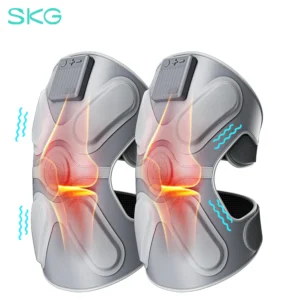
    🌟 Say goodbye to knee discomfort with the SKG Knee Massager! 🌟
    Whether you’re dealing with stiffness or simply looking to unwind, this heated knee massager
    with gentle vibration will help soothe and relax your knee area. It’s portable, easy to use, and
    perfect for on-the-go or at-home comfort.

    💡 Key Features:
    • Soothing heat for comfort
    • Gentle vibration for relaxation
    • Cordless design for convenience
    • Adjustable fit for your comfort
    Perfect for relieving knee discomfort, aiding recovery after activity, or adding a touch of
    relaxation to your daily routine.

    Take care of your knees today! 🦵󰡟
    #KneeMassager #WellnessAtHome #PlunkyProductz #SelfCare #KneeRelief #MassageTherapy
    #Relaxation #DailyWellness #ComfortAndMobility #OnTheGoWellness #HeatAndVibration

  • The Ultimate Guide to Pain Relief: Methods, Benefits, and How to Find the Right Solution for You

    Pain can be one of the most debilitating experiences in life, whether it’s due to an injury, chronic
    condition, or just the stresses of everyday living. It can affect our ability to perform daily
    activities, impact our quality of life, and, if left unmanaged, take a toll on both our physical and
    mental well-being. However, the good news is that pain relief is more accessible than ever
    before, thanks to a wide variety of solutions designed to meet your specific needs.

    At Plunky Productz, we understand how important it is to find effective ways to manage pain,
    which is why we offer a curated selection of products aimed at providing you with relief. Whether
    you’re dealing with minor aches, sports-related injuries, or chronic pain, there are options
    available to help. In this blog, we’ll explore the different types of pain relief methods, their
    benefits, and how to choose the right one for your unique situation.

    Understanding Pain and Its Impact
    Before diving into pain relief solutions, it’s essential to understand the different types of pain and
    how they impact our lives. Pain is typically categorized into two main types: acute and chronic.

    1. Acute Pain: This type of pain is typically short-term and occurs suddenly, often as a
    result of injury or surgery. Acute pain serves as a warning sign to the body, signaling that
    something is wrong. Once the underlying issue is treated or heals, the pain usually
    subsides.

    2. Chronic Pain: Chronic pain, on the other hand, persists for longer periods, often lasting
    more than three months. This type of pain can be caused by ongoing conditions such as
    arthritis, fibromyalgia, or nerve damage. Chronic pain can be especially challenging as it
    may not always have a clear cause and may require ongoing management to improve
    quality of life.

    No matter what type of pain you’re experiencing, it’s important to find a solution that works for
    you. Pain relief can help restore comfort, enhance mobility, and improve overall wellness.
    The Benefits of Pain Relief
    Pain relief isn’t just about reducing discomfort—it has numerous physical and mental benefits.
    Here’s how effective pain management can improve your life:
    1. Improved Mobility and Flexibility
    Pain, especially chronic pain, can severely limit your range of motion and flexibility. Whether it’s
    back pain, joint discomfort, or muscle tension, being unable to move freely can impact your
    ability to perform daily tasks or engage in physical activities. Pain relief methods, such as
    targeted therapies or tools like heat pads, can help reduce stiffness, increase mobility, and
    restore your freedom to move.
    2. Increased Energy
    When you’re in pain, it’s easy to feel drained and fatigued. Chronic pain, in particular, can make
    you feel tired, stressed, and unmotivated. Managing pain effectively can restore your energy
    levels, making it easier to enjoy life and tackle tasks without the constant drain that pain can
    cause.
    3. Enhanced Mental Health
    Living with pain often leads to frustration, anxiety, and even depression. Persistent pain can
    cause a cycle of negative emotions, which can worsen the pain and impact your mental
    well-being. By finding effective pain relief, you can break that cycle, reduce stress, and improve
    your mental health, giving you a greater sense of balance and emotional well-being.
    4. Improved Sleep
    Pain, especially at night, can make it difficult to get the restorative sleep you need. Whether it’s
    joint pain, muscle cramps, or headaches, discomfort can keep you awake and disrupt your
    sleep cycle. Pain relief methods such as targeted topical creams, heat therapy, or sleep aids
    can help reduce discomfort, enabling you to sleep better and wake up feeling refreshed.
    5. Better Quality of Life
    Ultimately, pain relief improves your quality of life. Whether you’re recovering from an injury,
    managing a chronic condition, or simply experiencing occasional discomfort, finding a solution
    that works for you can help you feel like yourself again. It enables you to engage more fully in
    life, pursue your passions, and interact with the world around you without being held back by
    pain.
    Different Types of Pain Relief Methods
    Now that we’ve covered the benefits, let’s take a closer look at the different kinds of pain relief
    options available. There is no one-size-fits-all solution, so it’s essential to explore various
    methods to determine what works best for your needs.
    1. Topical Pain Relief
    Topical pain relief products, such as creams, gels, and ointments, are designed to be applied
    directly to the skin. These products often contain active ingredients like menthol, capsaicin, or
    CBD, which can help reduce inflammation, improve blood circulation, and soothe sore muscles
    and joints. Topical pain relief is a great option for targeted, localized pain and is easy to apply
    without the need for oral medication.
    2. Heat and Cold Therapy
    Heat and cold therapy are two of the most commonly used methods for managing pain.
    Applying heat can help relax muscles, increase blood flow, and reduce stiffness, while cold
    therapy can numb the area, reduce inflammation, and minimize swelling. Both forms of therapy
    are effective for different types of pain. Heat is often used for chronic pain or muscle tension,
    while cold therapy is best for acute injuries or inflammation.
    3. Physical Therapy and Exercise
    For certain types of pain, especially chronic pain or pain caused by musculoskeletal issues,
    physical therapy and exercise can be highly effective. A physical therapist can guide you
    through specific movements and stretches that help improve flexibility, strengthen muscles, and
    reduce pain. Regular exercise, including stretching and strengthening exercises, can also help
    keep your body in good shape and prevent future injuries.
    4. Massage Therapy
    Massage therapy is another popular method for relieving pain, particularly for muscle tension,
    soreness, and stress-related pain. Through techniques like Swedish massage, deep tissue
    massage, and trigger point therapy, massage helps improve circulation, release muscle knots,
    and reduce overall discomfort. It’s a great option for both acute and chronic pain relief and can
    help promote relaxation.
    5. Medication
    In some cases, over-the-counter or prescription medications may be necessary to manage pain.
    Nonsteroidal anti-inflammatory drugs (NSAIDs), acetaminophen, or opioid medications can help
    alleviate pain, especially in cases of injury or inflammation. However, it’s important to use
    medications cautiously and under the guidance of a healthcare provider to avoid potential side
    effects or dependency.
    6. Mind-Body Techniques
    Mind-body techniques such as meditation, mindfulness, yoga, and breathing exercises can help
    reduce the perception of pain and improve your ability to manage it. These practices focus on
    relaxation, reducing stress, and training your mind to cope with discomfort. In many cases,
    these techniques can complement other forms of pain relief and provide long-term benefits for
    managing chronic pain.
    7. Alternative Therapies
    Alternative therapies like acupuncture, acupressure, and chiropractic care are gaining popularity
    for pain relief, particularly for chronic conditions like back pain, headaches, and joint pain. These
    therapies focus on stimulating specific points or adjusting the body to promote healing, reduce
    inflammation, and improve mobility. If traditional methods haven’t worked for you, exploring
    alternative therapies may be a helpful option.
    How to Find the Right Pain Relief for You
    With so many pain relief options available, it can be overwhelming to know where to start. Here
    are a few tips to help you find the right solution for your pain:
    1. Identify the Source of Your Pain: Understanding the cause of your pain is key to
    choosing the right relief method. For example, muscle tension may respond well to heat
    therapy or massage, while inflammation may require cold therapy or anti-inflammatory
    medication.
    2. Consider Your Lifestyle: If you’re always on the go, a portable solution like topical pain
    relief or a wearable heating pad may be most convenient. If you have more time to
    dedicate to pain management, therapies like physical therapy, massage, or acupuncture
    may be worth exploring.
    3. Consult with a Healthcare Provider: If your pain is chronic or severe, it’s important to
    consult with a healthcare provider to determine the best course of action. They can help
    guide you toward the right treatment and ensure that you’re not overlooking an
    underlying condition.
    4. Experiment with Different Methods: Don’t be afraid to try different pain relief options to
    see what works best for you. Many people find that a combination of methods, such as
    using topical creams with heat therapy or combining meditation with physical therapy,
    provides the most effective relief.
    Conclusion
    Pain is an inevitable part of life, but it doesn’t have to take over your day. With a wide variety of
    pain relief methods available, from topical creams to physical therapy and alternative
    treatments, there’s a solution for every type of pain. By understanding the benefits and choosing
    the right methods for your needs, you can take control of your pain and improve your quality of
    life.
    At Plunky Productz, we’re committed to helping you find the best pain relief products to suit your
    lifestyle. Our curated selection of high-quality pain relief solutions is designed to provide you
    with the comfort and support you deserve. If you need help finding the right product for your
    needs, don’t hesitate to reach out. We’re here to help!
    Contact Us
    Have questions, comments, or need assistance finding the perfect pain relief solution? Visit us
    at plunkyproductz.com, and feel free to contact us. We love helping you find the best products to
    improve your wellness and well-being!
  • The Smart Watch Revolution: How They’re Transforming Wellness and Lifestyle

    In today’s fast-paced world, staying connected and managing our health has never been more
    important. Smartwatches have emerged as one of the most popular and versatile gadgets to
    help us keep track of both. These sleek, stylish devices have become more than just
    timekeepers; they now serve as personal assistants, fitness trackers, health monitors, and
    more. Whether you’re looking to improve your daily wellness routine, enhance your productivity,
    or simply stay connected on the go, a smartwatch can make a big difference.
    In this blog, we’ll dive into the world of smartwatches, exploring their benefits, the different types
    available, and how to choose the right one for your needs. At Plunky Productz, we’ve curated a
    collection of high-quality smartwatches designed to help you stay ahead of the curve. Let’s
    explore how smartwatches can enhance your life!
    What Are Smartwatches?
    A smartwatch is a wearable device that goes beyond the functions of a traditional watch. In
    addition to displaying time, these gadgets can connect to your smartphone, track your fitness,
    monitor your health, manage notifications, and even offer smart home control. Think of them as
    an extension of your smartphone, but on your wrist, offering convenience and functionality right
    at your fingertips.
    Smartwatches come in a variety of styles and functionalities, from models that focus on fitness
    and health tracking to more luxurious designs with advanced features for tech-savvy users. The
    key takeaway is that these devices are designed to make life easier and more efficient.
    The Benefits of Smartwatches
    Smartwatches provide a wide range of benefits that can help improve your daily routine,
    increase your productivity, and support your overall wellness. Here are some of the key
    advantages of wearing a smartwatch:
    1. Health and Fitness Tracking
    One of the most significant benefits of a smartwatch is its ability to track your physical activity
    and overall health. With built-in sensors, many smartwatches can monitor your heart rate, track
    your steps, measure your sleep patterns, and even calculate the calories you burn throughout
    the day. Some models also have advanced features such as blood oxygen level monitoring and
    electrocardiogram (ECG) capabilities, which help track your overall health in real-time.
    Many smartwatches sync with fitness apps, allowing you to set goals, track progress, and stay
    motivated. Whether you’re running, cycling, swimming, or doing yoga, a smartwatch can help
    you stay on top of your fitness journey.
    2. Convenient Notifications
    Gone are the days of constantly pulling out your phone to check messages, emails, or
    notifications. With a smartwatch, you can receive and respond to notifications right from your
    wrist. Whether it’s a text from a friend, a reminder about an upcoming meeting, or an alert about
    your daily step count, your smartwatch ensures you never miss an important update.
    Many smartwatches also offer call and message management, allowing you to make and
    answer calls, send texts, or check social media messages all from your wrist. This level of
    convenience is perfect for those on the go, helping you stay connected without interrupting your
    flow.
    3. Enhanced Productivity
    Smartwatches can help streamline your day-to-day tasks and improve your productivity. With
    features like calendar sync, to-do lists, and voice assistants (like Siri or Google Assistant), you
    can easily stay organized and manage your time. You can set reminders for important tasks,
    add events to your calendar, or even make shopping lists—all without having to reach for your
    phone.
    Moreover, smartwatches allow for hands-free interaction, making it easy to multitask and stay on
    top of everything. Whether you’re in the middle of a workout or at a meeting, a smartwatch
    makes it easy to stay organized and efficient.
    4. Customization and Style
    Smartwatches don’t just serve a functional purpose—they can also be a fashionable accessory.
    Many models come with customizable watch faces, straps, and features, allowing you to tailor
    your smartwatch to your style. Whether you prefer a sleek, modern look or a more traditional
    design, there’s a smartwatch out there to match your personal taste.
    You can easily switch up the straps to match your outfit, choose from a variety of watch faces to
    suit your mood or activity, and even use your smartwatch as a fashion statement.
    5. Smart Features and Connectivity
    Smartwatches also offer a range of smart features that go beyond fitness and health tracking.
    Depending on the model, you can control music, track your location with GPS, or even use your
    watch to pay for purchases using contactless payment options like Apple Pay or Google Pay.
    Many models also support voice commands, making it easy to control your smartwatch
    hands-free.
    Smartwatches can also connect to other smart devices in your home, enabling you to control
    things like smart lights, thermostats, and even your security system. It’s the ultimate in
    convenience, allowing you to control multiple aspects of your life right from your wrist.
    Types of Smartwatches
    With so many smartwatches available today, it can be challenging to decide which one is right
    for you. Here are some of the main types of smartwatches you can consider:
    1. Fitness-Focused Smartwatches
    Fitness-focused smartwatches are perfect for those who want to prioritize their health and
    wellness. These models come with built-in sensors for tracking various activities, such as
    walking, running, cycling, and swimming. They also typically feature heart rate monitors, step
    counters, sleep trackers, and more. Fitness watches like the Fitbit Charge series or the Garmin
    Forerunner are great options for anyone looking to optimize their workouts and track their
    physical activity.
    2. Luxury Smartwatches
    If you’re looking for something more stylish and high-end, luxury smartwatches combine
    advanced technology with premium design. These watches often come with sleek, sophisticated
    designs, using materials like stainless steel, leather, and sapphire glass. Brands like Apple,
    Samsung, and Fossil offer a wide range of stylish smartwatches that integrate cutting-edge
    technology with high-end craftsmanship, allowing you to look good while staying connected.
    3. Hybrid Smartwatches
    Hybrid smartwatches combine the features of traditional analog watches with the benefits of
    smart technology. These watches maintain a classic look while offering some smartwatch
    features, such as fitness tracking, heart rate monitoring, and notifications. If you’re someone
    who loves the classic look of a traditional watch but still wants some smart features, a hybrid
    smartwatch might be the right fit for you. Brands like Garmin and Withings offer excellent
    options in this category.
    4. All-Purpose Smartwatches
    All-purpose smartwatches are designed to meet a wide range of needs. They typically feature a
    balance of fitness tracking, notifications, productivity tools, and customizable features. The
    Apple Watch Series and Samsung Galaxy Watch are popular examples of all-purpose
    smartwatches, offering something for everyone—from health monitoring to music control to
    hands-free communication.
    How to Find the Right Smartwatch for You
    Finding the right smartwatch depends on your lifestyle, needs, and preferences. Here’s how to
    choose the perfect smartwatch for you:
    1. Identify Your Priorities
    What are you hoping to get out of your smartwatch? Do you want it to track your fitness, help
    you stay connected, or enhance your productivity? Identifying your priorities will help you
    choose the smartwatch that fits your needs. For example, if you’re a fitness enthusiast, you
    might want a fitness-focused model with advanced tracking features. If you’re looking for a
    stylish accessory with smart features, a luxury or hybrid smartwatch might be your best bet.
    2. Consider Compatibility
    Make sure the smartwatch you choose is compatible with your smartphone and other devices.
    Most smartwatches are designed to work seamlessly with either Android or iOS, but it’s
    important to check compatibility before purchasing. If you use an iPhone, for example, an Apple
    Watch will offer the best integration with your device.
    3. Look at Battery Life
    Battery life is an important factor to consider, especially if you plan on using your smartwatch for
    extended periods of time. While some smartwatches last for days, others may need to be
    charged every night. Check the battery life specifications to ensure the watch fits your daily
    routine.
    4. Budget
    Smartwatches come in a wide range of price points, from budget-friendly options to premium
    models. Determine your budget before shopping to help narrow down your choices. Remember,
    more expensive models often come with extra features, but there are many affordable options
    that still offer great functionality.
    Conclusion
    Smartwatches are no longer just a luxury item—they’ve become a must-have for many, offering
    a combination of convenience, functionality, and style. Whether you’re looking to improve your
    fitness, stay connected, or simply streamline your daily routine, there’s a smartwatch for you.
    At Plunky Productz, we offer a carefully curated selection of high-quality smartwatches to suit
    every lifestyle and preference. If you’re not sure which one is right for you, don’t hesitate to
    reach out! We’re always happy to help guide you toward the best choice for your needs.
    Contact Us
    Have questions, comments, or need assistance with choosing the perfect smartwatch? Visit us
    at plunkyproductz.com, and feel free to reach out. We’re here to help you make the best choice
    for your wellness and lifestyle!

  • Simple Healthy Meals: Easy Ways to Eat Better Every Day

    Eating healthy doesn’t have to be complicated or time-consuming. Many people believe that nutritious meals require expensive ingredients, advanced cooking skills, or hours in the kitchen. In reality, some of the healthiest meals are also the simplest to prepare.

    By focusing on whole foods, balanced nutrition, and easy recipes, you can create delicious meals that support your health and wellness goals while fitting into a busy lifestyle.

    Why Healthy Meals Matter

    The food you eat provides the fuel your body needs to function properly. A balanced diet can help:

    • Increase energy levels
    • Support healthy weight management
    • Improve digestion
    • Strengthen the immune system
    • Promote heart health
    • Enhance mental focus and mood

    Making healthier meal choices doesn’t require perfection. Small improvements can lead to significant long-term benefits.

    The Building Blocks of a Healthy Meal

    A simple healthy meal typically includes:

    Lean Protein

    Protein helps build and repair muscles while keeping you feeling full longer.

    Healthy protein options include:

    • Chicken breast
    • Turkey
    • Fish
    • Eggs
    • Greek yogurt
    • Beans and lentils
    • Tofu

    Healthy Carbohydrates

    Carbohydrates provide energy for daily activities and exercise.

    Nutritious carbohydrate choices include:

    • Brown rice
    • Quinoa
    • Sweet potatoes
    • Oats
    • Whole-grain bread
    • Fruits and vegetables

    Healthy Fats

    Healthy fats support brain function and heart health.

    Examples include:

    • Avocados
    • Olive oil
    • Nuts
    • Seeds
    • Nut butters

    Vegetables

    Vegetables are packed with vitamins, minerals, and fiber that support overall wellness.

    Aim to fill at least half your plate with colorful vegetables whenever possible.

    Simple Healthy Meal Ideas

    1. Grilled Chicken and Vegetables

    This classic meal is easy to prepare and packed with nutrients.

    Ingredients:

    • Grilled chicken breast
    • Steamed broccoli
    • Carrots
    • Brown rice

    Benefits:

    • High in protein
    • Rich in fiber
    • Supports muscle recovery

    2. Avocado Toast with Eggs

    Perfect for breakfast or a light lunch.

    Ingredients:

    • Whole-grain toast
    • Sliced avocado
    • Two eggs
    • Black pepper

    Benefits:

    • Provides healthy fats
    • Contains quality protein
    • Keeps you satisfied longer

    3. Greek Yogurt Fruit Bowl

    A quick and nutritious option for breakfast or a snack.

    Ingredients:

    • Plain Greek yogurt
    • Fresh berries
    • Banana slices
    • Chia seeds

    Benefits:

    • Rich in protein
    • Supports digestive health
    • Naturally sweet and satisfying

    4. Quinoa and Veggie Bowl

    A simple plant-based meal full of nutrients.

    Ingredients:

    • Cooked quinoa
    • Bell peppers
    • Cucumbers
    • Cherry tomatoes
    • Olive oil dressing

    Benefits:

    • High in fiber
    • Provides plant-based protein
    • Supports heart health

    5. Salmon and Sweet Potatoes

    An excellent dinner option for overall wellness.

    Ingredients:

    • Baked salmon
    • Roasted sweet potatoes
    • Green beans

    Benefits:

    • Rich in omega-3 fatty acids
    • Supports brain and heart health
    • Provides long-lasting energy

    Healthy Cooking Tips

    Preparing healthy meals can be easier with a few simple strategies:

    Plan Ahead

    Creating a weekly meal plan helps reduce stress and makes healthy choices more convenient.

    Keep Healthy Ingredients Available

    Stock your kitchen with:

    • Fresh produce
    • Whole grains
    • Lean proteins
    • Healthy snacks

    Having nutritious foods readily available makes healthy eating easier.

    Use Simple Cooking Methods

    Choose cooking techniques such as:

    • Baking
    • Grilling
    • Steaming
    • Roasting
    • Air frying

    These methods often require less added fat while preserving flavor and nutrients.

    Control Portion Sizes

    Balanced portions can help support healthy weight management while ensuring you get the nutrients your body needs.

    Healthy Eating on a Budget

    Nutritious meals don’t have to be expensive.

    Budget-friendly healthy foods include:

    • Eggs
    • Oatmeal
    • Brown rice
    • Frozen vegetables
    • Beans and lentils
    • Bananas
    • Sweet potatoes

    Buying seasonal produce and preparing meals at home can also help reduce food costs.

    Final Thoughts

    Healthy eating doesn’t require complicated recipes or expensive ingredients. By focusing on simple meals made with whole foods, you can nourish your body, boost your energy, and support your overall wellness goals.

    Start with one healthy meal each day and gradually build habits that fit your lifestyle. Small changes made consistently can lead to lasting improvements in your health and well-being.

    Remember, healthy eating is not about perfection—it’s about making better choices one meal at a time.

  • Easy Home Exercises to Stay Fit and Healthy Without a Gym

    Staying active is one of the most important things you can do for your health, but not everyone has the time or budget for a gym membership. The good news is that you don’t need expensive equipment or a fitness center to get in shape. With a few simple exercises, you can improve your strength, flexibility, and overall wellness right from the comfort of your home.

    Whether you’re a beginner or looking for convenient ways to stay active, these easy home exercises can help you build healthy habits and achieve your fitness goals.

    Why Home Workouts Are Effective

    Home workouts offer several benefits:

    • Save time by eliminating travel to the gym
    • Exercise on your own schedule
    • Require little or no equipment
    • Improve cardiovascular health and muscle strength
    • Support weight management and overall wellness

    Consistency matters more than intensity. Even 20 to 30 minutes of exercise several times a week can provide significant health benefits.

    1. Bodyweight Squats

    Squats are excellent for strengthening the legs, glutes, and core muscles.

    How to Perform a Squat

    1. Stand with feet shoulder-width apart.
    2. Keep your chest up and back straight.
    3. Lower your body as if sitting in a chair.
    4. Push through your heels to return to standing.

    Aim for 10 to 15 repetitions and complete 2 to 3 sets.

    Benefits

    • Strengthens lower body muscles
    • Improves balance and mobility
    • Supports joint health

    2. Push-Ups

    Push-ups are one of the most effective exercises for building upper body strength.

    How to Perform a Push-Up

    1. Begin in a plank position.
    2. Keep your body in a straight line.
    3. Lower your chest toward the floor.
    4. Push back up to the starting position.

    Beginners can perform push-ups on their knees or against a wall.

    Benefits

    • Builds chest, shoulder, and arm strength
    • Engages core muscles
    • Improves functional fitness

    3. Planks

    Planks are a simple yet powerful exercise for core stability.

    How to Perform a Plank

    1. Position yourself on your forearms and toes.
    2. Keep your body straight from head to heels.
    3. Hold the position while engaging your core.

    Start with 20 to 30 seconds and gradually increase the duration.

    Benefits

    • Strengthens core muscles
    • Improves posture
    • Supports lower back health

    4. Walking in Place

    Walking in place is a low-impact cardio exercise that can be done almost anywhere.

    How to Perform

    • March in place while lifting your knees.
    • Swing your arms naturally.
    • Continue for 5 to 10 minutes.

    Benefits

    • Increases heart rate
    • Burns calories
    • Improves cardiovascular fitness

    5. Lunges

    Lunges target the legs, glutes, and core while improving balance.

    How to Perform a Lunge

    1. Step forward with one foot.
    2. Lower your hips until both knees form approximately 90-degree angles.
    3. Push back to the starting position.
    4. Alternate legs.

    Perform 10 repetitions per leg.

    Benefits

    • Builds lower body strength
    • Improves stability
    • Enhances flexibility

    6. Stretching for Flexibility

    Flexibility is an important part of overall fitness that is often overlooked.

    Simple Stretches to Try

    • Hamstring stretch
    • Shoulder stretch
    • Neck stretch
    • Hip flexor stretch
    • Cat-cow stretch

    Hold each stretch for 20 to 30 seconds without bouncing.

    Benefits

    • Reduces muscle tension
    • Improves mobility
    • Helps prevent injuries

    Create a Simple Home Workout Routine

    Try this beginner-friendly routine:

    Warm-Up (5 Minutes)

    • March in place
    • Arm circles
    • Gentle stretching

    Workout (15–20 Minutes)

    • 15 Squats
    • 10 Push-Ups
    • 30-Second Plank
    • 10 Lunges Per Leg
    • 2 Minutes Walking in Place

    Repeat the circuit 2 to 3 times.

    Cool Down (5 Minutes)

    • Full-body stretching
    • Deep breathing exercises

    Tips for Success

    • Schedule workouts into your daily routine.
    • Start slowly and progress gradually.
    • Stay hydrated before, during, and after exercise.
    • Wear comfortable clothing and supportive footwear.
    • Focus on consistency rather than perfection.

    Final Thoughts

    Getting fit doesn’t require a gym membership or expensive equipment. Simple home exercises such as squats, push-ups, planks, lunges, and stretching can help improve strength, flexibility, and overall wellness. By dedicating just a few minutes each day to movement, you can build healthier habits that support long-term health and fitness.

    Remember, every step counts. Start where you are, stay consistent, and celebrate your progress along the way.

  • The Power of Health and Wellness: Small Changes That Create a Better Life

    In today’s fast-paced world, maintaining good health and wellness is more important than ever. Health is not simply the absence of illness—it is a state of complete physical, mental, and emotional well-being. By making small, consistent lifestyle changes, anyone can improve their overall quality of life and enjoy greater energy, happiness, and longevity.

    What Does Wellness Mean?

    Wellness is a holistic approach to living that focuses on achieving balance in various aspects of life. It includes physical fitness, proper nutrition, mental health, stress management, quality sleep, and self-care. When these areas work together, they help create a strong foundation for a healthier and more fulfilling life.

    The Benefits of Regular Exercise

    Physical activity is one of the most effective ways to improve overall wellness. Exercise helps strengthen the heart, build muscle, improve flexibility, and maintain a healthy weight. It also releases endorphins, often called “feel-good hormones,” which can boost mood and reduce stress.

    Simple ways to stay active include:

    • Walking for 30 minutes each day
    • Practicing yoga or stretching exercises
    • Strength training two to three times per week
    • Participating in recreational sports
    • Taking movement breaks throughout the day

    Even small amounts of daily movement can make a significant difference in your health over time.

    Fuel Your Body with Healthy Nutrition

    The foods we eat provide the energy and nutrients our bodies need to function properly. A balanced diet rich in whole foods can support immune health, increase energy levels, and reduce the risk of chronic diseases.

    Healthy eating habits include:

    • Choosing fresh fruits and vegetables
    • Eating lean proteins
    • Including healthy fats such as avocados, nuts, and olive oil
    • Drinking plenty of water
    • Limiting processed foods and added sugars

    Preparing meals at home can also help you make healthier choices and better control ingredients.

    Managing Stress for Better Health

    Stress is a normal part of life, but chronic stress can negatively affect both physical and mental health. Learning healthy ways to manage stress can improve mood, sleep quality, and overall wellness.

    Effective stress-management techniques include:

    • Deep breathing exercises
    • Meditation and mindfulness practices
    • Spending time outdoors
    • Journaling thoughts and feelings
    • Engaging in hobbies and creative activities

    Taking just a few minutes each day to relax and recharge can have lasting benefits.

    The Importance of Quality Sleep

    Sleep is essential for recovery, mental clarity, and physical health. Adults should aim for seven to nine hours of quality sleep each night. Poor sleep can impact energy, concentration, and immune function.

    To improve sleep quality:

    • Maintain a consistent bedtime schedule
    • Avoid screens before bedtime
    • Keep the bedroom cool and comfortable
    • Limit caffeine late in the day
    • Create a relaxing nighttime routine

    Good sleep habits can help improve productivity and overall well-being.

    Prioritize Self-Care

    Self-care is not a luxury—it’s a necessity. Taking time to care for yourself helps prevent burnout and supports emotional health. Self-care can include exercise, relaxation, skincare, reading, healthy cooking, or spending time with loved ones.

    Remember that wellness is a journey, not a destination. Small daily habits often lead to the biggest long-term results.

    Final Thoughts

    Achieving better health and wellness doesn’t require drastic changes. By focusing on regular exercise, nutritious foods, stress management, quality sleep, and self-care, you can build a healthier lifestyle one step at a time. Consistency is the key to lasting success. Start with one positive change today and continue building healthy habits that support your mind, body, and overall well-being.

    Your future self will thank you for the investment you make in your health today.

plunkyproductz